Shoulder
Restoring Pain-Free Movement in the Shoulder
The shoulder is the most mobile joint in the body, and that mobility comes at a cost. Dr Handford brings fellowship-trained surgical expertise and a calm, methodical approach to diagnosing and treating the full spectrum of shoulder conditions.
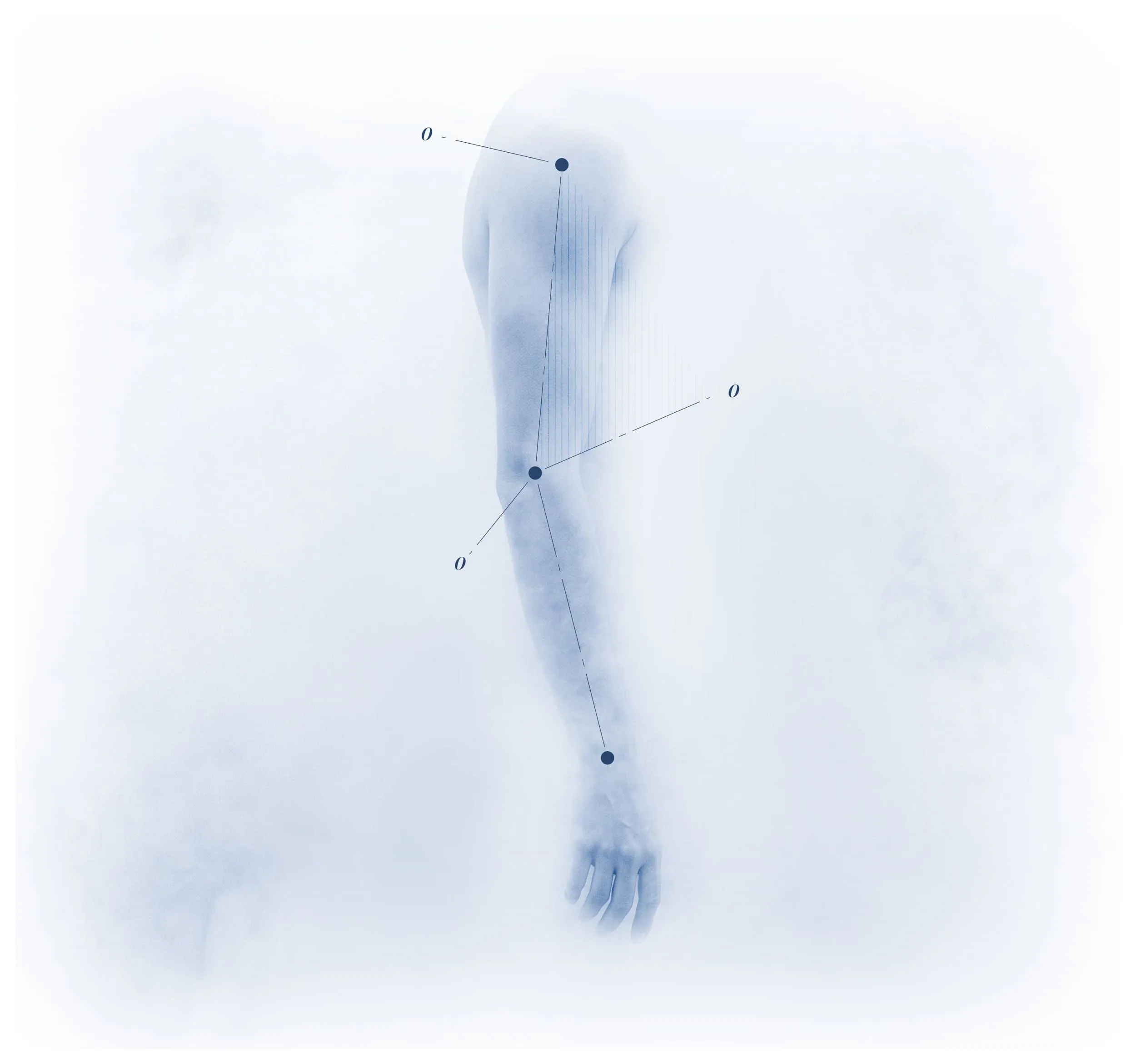

A methodical approach to your shoulder
Diagnosis begins with listening. Dr Handford combines advanced imaging with a careful physical examination to understand the true source of your pain. Treatment follows a clear path, starting with evidence-based non-surgical options and progressing to precise surgical techniques only when the benefit is clear.
Conditions
Common shoulder conditions we treat
The shoulder is a complex structure. Understanding the specific source of your pain is the first step toward the right treatment.
Rotator cuff tears and tendinopathy
A tear or degeneration in the tendons that lift and rotate your arm, causing weakness and pain, especially at night. Rotator cuff pathology ranges from mild tendinopathy to full-thickness tears requiring surgical repair.

Shoulder instability
The joint slips or feels loose, often after a dislocation. Recurrent instability can limit the activities you rely on and undermine confidence in the shoulder.
Frozen shoulder
The capsule tightens painfully, restricting motion in every direction. It develops slowly and demands patience to resolve, though surgical release can accelerate recovery when physiotherapy stalls.
Glenohumeral arthritis and cuff arthropathy
Cartilage wears away, leaving bone on bone. The result is a stiff, aching joint that grinds with use. When the rotator cuff is also damaged, the condition is known as cuff arthropathy and may require a reverse shoulder replacement.
Acromioclavicular (AC) joint conditions
Injuries or arthritis at the joint on top of the shoulder can cause persistent pain with overhead movement and across-body reaching.
Impingement
Tendons catch on bone when you raise your arm, causing pain with overhead movement. Impingement often accompanies rotator cuff pathology.
Procedures and Protocols
Shoulder surgery when you need it
Surgery is never the first answer. When it becomes the right step, the goal is to restore function with the least invasive technique that will do the job properly.
Arthroscopic rotator cuff repair
Arthroscopic rotator cuff repair reattaches the torn tendon to the bone using small anchors placed through tiny incisions. It is a meticulous procedure designed to restore strength and relieve night pain while minimising surgical trauma.
Mini-open rotator cuff repair
Mini-open repair pairs an arthroscopic assessment with a small open incision for larger or more complex tears, giving Dr Handford a direct view for secure fixation. Clinical outcomes are comparable to the fully arthroscopic technique.
Reverse total shoulder replacement
Reverse shoulder replacement reverses the joint's normal anatomy, letting the deltoid muscle power the arm when the rotator cuff is torn or deficient. Dr Handford trained in complex primary and revision shoulder arthroplasty at Wrightington Hospital in the UK.
Anatomic total shoulder replacement
Anatomic replacement resurfaces the worn ball and socket with metal and polyethylene components, recreating the joint's normal anatomy. It suits patients with an intact rotator cuff whose joint surfaces have worn out, most often from osteoarthritis.
Latarjet procedure
The Latarjet procedure treats recurrent shoulder instability by transferring bone and tendon to rebuild the front of the glenoid. It provides reliable, durable stability for patients with significant bone loss or a previous failed stabilisation.
Arthroscopic anterior stabilisation (Bankart repair)
Where bone loss is not significant, arthroscopic stabilisation repairs the torn labrum and tightened capsule through small portals, reattaching the labrum to the front of the glenoid. It addresses the underlying cause of instability while keeping the surgical footprint small.
Take the first step toward relief
A conversation costs nothing. Book a consultation to discuss your shoulder and a plan built for you.